
Skin Barrier Repair: The Science-Backed Guide to Restoring Your Glow in 2026
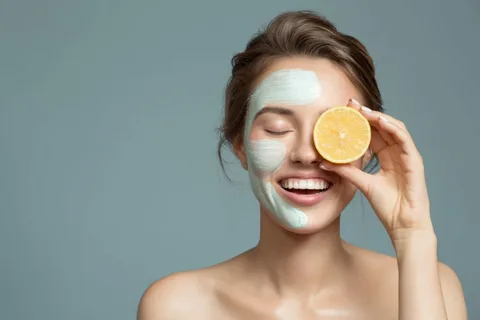
If your skin feels tight, looks red, or stings when you apply your favorite moisturizer, you aren't just having a "bad skin day." You are likely dealing with a compromised moisture shield. In 2026, the beauty world has moved away from aggressive "stripping" treatments and toward the foundational necessity of skin barrier repair.
Your skin barrier is the silent guardian of your health, keeping moisture in and environmental toxins out. When it breaks down, everything from acne to premature aging accelerates. This comprehensive guide will walk you through the biology of your skin's defense system and how to achieve a complete skin barrier repair using the latest dermatological breakthroughs.
What Exactly is the Skin Barrier?
To fix something, you first have to understand how it works. Think of your skin barrier (technically the stratum corneum) as a brick-and-mortar wall.
-
The Bricks: These are your skin cells (corneocytes).
-
The Mortar: This is a complex matrix of lipids, including ceramides, cholesterol, and fatty acids.
When this "mortar" is healthy, your skin looks plump and hydrated. When it’s damaged, moisture escapes (Transepidermal Water Loss), and irritants seep in. Successful skin barrier repair is essentially the process of patching that mortar.
Signs Your Barrier is Compromised
How do you know if you need to focus on skin barrier repair? Look for these "SOS" signals from your skin:
-
Chronic Dryness: Your skin feels parched even after applying heavy creams.
-
Increased Sensitivity: Products that used to work now cause stinging or burning.
-
Textural Changes: Rough, flaky patches or an orange-peel texture.
-
Inflammation: Persistent redness or "random" breakouts that won't heal.
The Modern Culprits of Barrier Damage
In 2026, we are facing new environmental stressors. While over-exfoliation (using too many acids) remains a top cause, we also see damage from:
-
Blue Light Exposure: Constant screen time induces oxidative stress.
-
Pollution Particulates: Urban smog physically weakens the lipid layer.
-
Climate Instability: Extreme shifts between indoor AC and outdoor heat.
The Golden Ratio: Ceramides, Cholesterol, and Fatty Acids
Effective skin barrier repair requires a specific "Golden Ratio" of lipids. Research shows that a 3:1:1 ratio (Ceramides to Cholesterol to Fatty Acids) is the most effective way to mimic the skin's natural chemistry.
The Role of Ceramides
Ceramides make up about 50% of your skin's composition. Without them, your skin cannot hold onto moisture. Modern skin barrier repair products now use "bio-identical" ceramides that slot into your skin's gaps like a key in a lock.
The Power of Niacinamide
Niacinamide (Vitamin B3) is a superstar in this category. It doesn't just soothe; it actually signals your skin to produce more of its own natural ceramides.
The "Skin Fast": A 7-Day Reset
Sometimes, the best way to jumpstart skin barrier repair is to do less. A "Skin Fast" involves stripping your routine down to three essentials:
-
Gentle, pH-balanced Cleanser: Stop using foaming or high-pH soaps.
-
Barrier Cream: A thick, fragrance-free occlusive.
-
Mineral Sunscreen: Chemical filters can sometimes irritate a raw barrier.
Humectants vs. Occlusives: Why You Need Both
You cannot achieve skin barrier repair with just one type of product.
-
Humectants (The Water-Grabbers): Ingredients like Hyaluronic Acid and Glycerin pull water into the skin.
-
Occlusives (The Sealants): Ingredients like Petrolatum, Squalane, or Shea Butter lock that water in.
If you use a humectant without an occlusive, the water will simply evaporate, leaving your barrier even drier than before.
The pH Factor: Why it Matters
Your skin is naturally acidic (around pH 5.5). Many traditional cleansers are alkaline (pH 8+). Using an alkaline soap is like throwing a grenade at your moisture shield. For lasting skin barrier repair, every product in your routine should be formulated to respect the skin's "acid mantle."
Lifestyle Habits That Support Repair
Topical creams are only half the battle. To support skin barrier repair from the inside out:
-
Omega-3 Supplements: Help build healthy cell membranes.
-
Humidifiers: Especially important if you live in a dry climate or use central heating.
-
Lukewarm Water: Never wash your face with hot water, as it melts away your natural lipids.
Dealing with "Maskne" and Barrier Issues
Even in 2026, friction-related irritation is common. If you wear protective gear or face masks, apply a "barrier balm" containing Zinc Oxide or Dimethicone. This creates a physical buffer between the material and your skin, preventing the micro-tears that hinder skin barrier repair.
Conclusion: Patience is the Ultimate Active Ingredient
The journey toward skin barrier repair isn't overnight. It typically takes 28 to 45 days for your skin cells to go through a full turnover cycle. If you remain consistent, stop the aggressive scrubbing, and feed your skin the lipids it craves, you will be rewarded with a resilient, glowing, and healthy complexion.
FAQs: Frequently Asked Questions
How long does it take to fix a damaged skin barrier?
Generally, you will see a reduction in stinging within 3–7 days, but full skin barrier repair at a cellular level takes about a month of consistent care.
Can I use Retinol while repairing my barrier?
No. You should pause all "actives" (Retinol, AHAs, BHAs, and Vitamin C) until your skin no longer feels tight or sensitive. Once repaired, you can slowly reintroduce them.
Is Vaseline good for skin barrier repair?
Yes! Petrolatum (Vaseline) is one of the most effective occlusives. It creates a 99% moisture seal, giving your skin the protected environment it needs to heal itself underneath.
Does drinking water help the skin barrier?
While hydration is important for overall health, "drinking more water" won't fix a broken barrier. You must apply topical lipids to stop the water from evaporating through the damaged surface.
Can a damaged barrier cause acne?
Absolutely. When the barrier is weak, "bad" bacteria like P. acnes can enter the skin more easily, leading to "barrier-damage breakouts" that are often red and itchy.

 English