
The Future is Edible? A Look at Next-Gen Paper Cups Materials
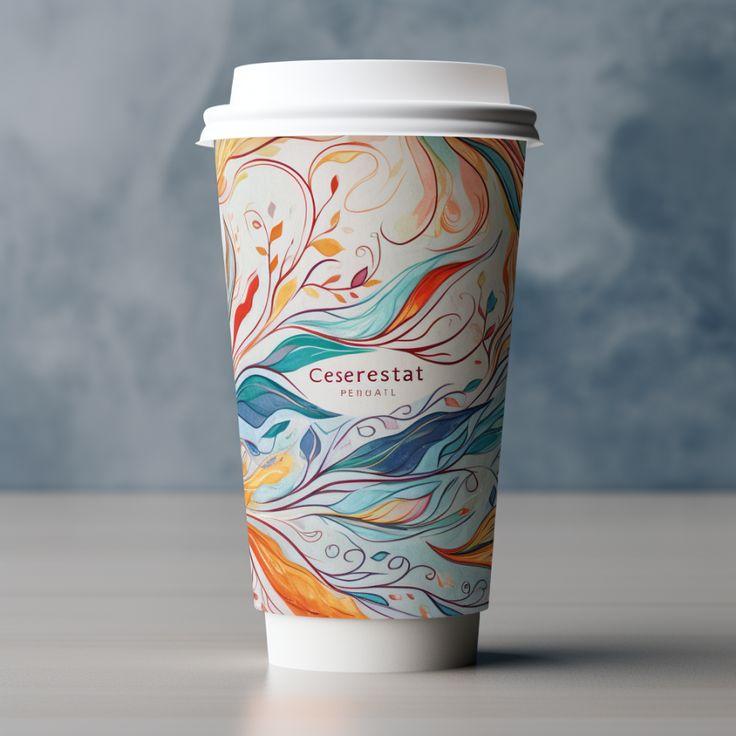
The food packaging world is changing fast. Brands now search for safer and greener options. Paper cups stand at the center of this shift.
New materials promise less waste and more value. Some experts even explore edible solutions. Let us explore what comes next.
The Environmental Pressure Driving Change
Single-use packaging has shaped modern life. Yet it has also created a waste crisis. Traditional paper cups contain plastic linings. These linings prevent leaks. However, they block easy recycling.
As a result, millions of cups end up in landfills. Many break down slowly. Plastic layers release microplastics over time. Therefore, governments now push for stricter waste laws. Many cities ban plastic-coated products. This pressure forces innovation.
Consumers also demand change. They prefer brands with strong environmental values. Social media spreads awareness quickly. Customers question materials and sourcing. Because of this, companies rethink their packaging choices.
Paper cups once seemed eco-friendly. They came from trees. However, tree harvesting can harm forests. Poor forest management increases carbon emissions. So, sustainable sourcing has become critical.
Manufacturers now look at the full life cycle. They study raw material extraction. They measure production energy. They assess transport impact. They also track disposal outcomes.
In addition, investors support green innovation. Sustainable packaging attracts funding. New startups enter the market. Established brands form research partnerships.
This environmental pressure shapes the future of cup materials. It encourages compostable coatings. It supports plant-based alternatives. It also inspires edible solutions.
The change is not optional anymore. It is a business necessity. Companies that ignore sustainability risk losing market share. Meanwhile, those that adapt build trust and long-term value.
The next generation of paper cups must solve waste issues. They must reduce carbon footprints. They must meet safety standards. At the same time, they must stay affordable. Balancing these goals defines the industry’s future path.
Plant-Based Coatings Replacing Plastic Liners
Traditional cups rely on polyethylene linings. This plastic creates a moisture barrier. Without it, liquid would leak. Yet plastic makes recycling difficult.
Therefore, researchers developed plant-based coatings. These coatings use materials like polylactic acid. Polylactic acid comes from corn starch or sugarcane. It acts like plastic but comes from renewable sources.
These new coatings break down under industrial composting. They reduce dependence on fossil fuels. In addition, they lower carbon emissions during production. Many brands now test these solutions in cafes and events.
Another promising material is aqueous coating. This water-based barrier replaces plastic layers. It bonds directly with paper fibers. As a result, cups become easier to recycle in standard facilities.
Manufacturers also explore bio-waxes. These waxes come from plants. They resist heat and moisture. At the same time, they remain biodegradable under proper conditions.
However, challenges still exist. Composting facilities are not available everywhere. Some compostable cups still end up in landfills. There, they may not break down quickly. Infrastructure must grow alongside innovation.
Cost also affects adoption. Plant-based materials can be more expensive. Yet prices continue to fall. Increased demand supports large-scale production.
Safety remains a top concern. Food contact materials must meet strict standards. Regulatory agencies test for chemical migration. Manufacturers must prove that coatings remain stable under heat.
Despite challenges, plant-based coatings mark a strong step forward. They reduce plastic waste. They support renewable agriculture. Most importantly, they show that performance and sustainability can work together.
This shift lays the foundation for even more radical ideas. One of those ideas includes edible materials that remove waste entirely.
Edible Materials: Science or Marketing Hype?
The concept of edible cups may sound futuristic. Yet several companies already test such designs. These cups use ingredients like rice, wheat, and seaweed. They aim to eliminate waste completely.
Key features of edible materials include:
- Natural ingredients that are safe for human consumption
- Short shelf life to prevent long-term waste
- Ability to hold hot or cold liquids for limited time
- Compostable properties if not consumed
Edible cups attract attention at events and festivals. They offer a unique experience. Customers can drink coffee and then eat the cup. This approach reduces litter instantly.
However, practical issues remain. Shelf life creates a major challenge. Edible materials may absorb moisture from air. Therefore, storage conditions must stay controlled.
Taste also matters. Not every consumer wants to eat a cup. Some prefer to dispose of it. Manufacturers must balance flavor and neutrality. The product should not affect the drink’s taste.
Food safety regulations are strict. Edible packaging must meet the same standards as food products. This requirement increases testing costs. It also adds complexity to distribution.
Despite these challenges, edible materials represent innovation. They push boundaries. They encourage new thinking about waste.
From my research experience, I see edible cups as a niche solution. They may not replace all traditional cups. However, they can serve special events and eco-focused brands.
In the long term, improved material science may solve current limits. Better texture control and longer shelf stability will help. Until then, edible cups remain both a bold experiment and a powerful marketing tool.
Agricultural Waste as a Raw Material Source
Another promising direction involves agricultural waste. Farmers produce tons of leftover fibers each year. These include wheat straw, rice husk, and bagasse. Bagasse comes from sugarcane processing.
Instead of burning these residues, manufacturers can transform them into pulp. This pulp replaces wood fibers. As a result, forest pressure decreases. At the same time, farmers gain extra income.
Agricultural fiber cups offer strong insulation. They also show natural textures. Many consumers view them as authentic and eco-friendly. This perception boosts brand image.
Bagasse already appears in food containers. It handles heat well. It resists grease and moisture. With improved processing, it also suits beverage cups.
Using waste materials reduces landfill use. It lowers methane emissions from decomposition. It also supports circular economy principles.
However, supply chain planning remains essential. Agricultural waste availability depends on harvest cycles. Manufacturers must secure stable contracts with farmers.
Processing technology also requires investment. Fibers must be cleaned and refined. They must meet food-grade standards. This step ensures safety and durability.
Transportation distance matters too. If raw materials travel far, carbon savings shrink. Therefore, local sourcing plays a key role.
In my industry analysis, agricultural waste offers one of the most realistic solutions. It balances cost and sustainability. It works within existing manufacturing systems.
As more companies adopt this approach, economies of scale will grow. Over time, these materials may become mainstream. They show how innovation can turn waste into valuable resources.
Smart Barriers and Nanotechnology in Paper Cups
Beyond visible materials, invisible technology also shapes the future. Scientists now explore nano-coatings. These coatings create ultra-thin barriers. They protect against moisture and heat.
Nanotechnology modifies surface structure. It strengthens paper fibers. It improves durability without thick plastic layers. Therefore, cups become lighter and more efficient.
Some smart barriers respond to temperature. They change color when drinks are too hot. This feature improves safety. It reduces burn risks.
Other research focuses on antimicrobial surfaces. These surfaces prevent bacterial growth. This feature increases hygiene standards. It also extends product usability.
However, public perception of nanotechnology varies. Some consumers fear unknown risks. Clear communication becomes essential. Brands must explain safety testing.
Regulatory approval also takes time. Authorities examine potential health impacts. Only proven safe materials reach the market.
Cost may limit short-term adoption. Advanced coatings require specialized equipment. Yet as research expands, costs often decrease.
Smart barriers do not always mean edible products. Instead, they improve performance while staying compostable. This balance attracts large beverage chains.
From a research standpoint, nanotechnology offers high potential. It solves leakage and strength problems. It does so with minimal material use.
In the future, smart materials may combine with plant-based fibers. This combination could create strong, thin, and eco-friendly cups. Technology will likely enhance sustainability rather than replace it.
Design Innovation and Consumer Engagement
Material innovation alone does not guarantee success. Design also plays a major role. Modern consumers value storytelling. They want to understand what they use.
Brands now print sustainability messages directly on cups. They explain composting steps. They show sourcing information. This transparency builds trust.
Effective design strategies include:
- Clear disposal instructions to reduce contamination
- Minimal ink usage to support recycling
- Water-based inks for safer production
- QR codes linking to sustainability reports
Companies that invest in design often see higher engagement. For example, Custom Printed Paper Cups allow businesses to combine branding with eco messaging. This approach turns packaging into communication tools.
However, too much printing can affect recyclability. Therefore, designers must balance creativity and function. Simple designs often perform better.
Color choice also matters. Natural tones signal sustainability. Glossy finishes may suggest plastic. Consumers react quickly to visual cues.
In my experience, design acts as a bridge. It connects material science with user behavior. Even the best cup fails if consumers misuse it.
Educational design encourages proper disposal. It reduces contamination in recycling streams. Over time, this improves overall system efficiency.
Therefore, the future of paper cups depends not only on materials. It also depends on smart, honest, and user-friendly design strategies.
Economic Feasibility and Market Adoption
Sustainable innovation must make financial sense. Businesses operate under tight margins. Even small cost increases matter.
New materials often start expensive. Research and development require funding. Small production volumes increase unit costs. However, scale changes economics quickly.
As demand grows, manufacturing expands. Bulk purchasing lowers raw material prices. Automation improves efficiency. Therefore, early adopters often pave the way for mainstream adoption.
Government incentives also support transition. Some regions offer tax benefits for compostable products. Others impose fees on plastic use. These policies shift cost comparisons.
Consumer willingness to pay matters as well. Many customers accept slight price increases for eco-friendly options. However, large price gaps reduce adoption.
Large beverage chains influence the market strongly. When they switch materials, suppliers respond fast. Their purchasing power drives industry standards.
Investors now evaluate environmental impact. Companies with strong sustainability plans attract funding. This financial support accelerates innovation.
In my research, the most successful materials balance cost and performance. Purely experimental solutions struggle without clear economic benefits.
Therefore, the future belongs to practical innovation. Edible and compostable materials must compete with traditional options. They must match durability and price.
When sustainability aligns with profitability, change becomes permanent. Market forces then reinforce environmental goals instead of resisting them.
The Road Ahead: Integration of Sustainability and Technology
The future of paper cups will not rely on one solution. Instead, it will combine several approaches. Plant-based coatings, agricultural fibers, and smart barriers will likely merge.
Collaboration will drive progress. Material scientists, designers, and policymakers must work together. Clear standards will guide safe innovation.
Infrastructure development also plays a key role. Composting and recycling systems must expand. Without them, even the best materials fail.
Consumer education will continue shaping outcomes. Clear labeling reduces confusion. Transparent sourcing builds trust.
Edible cups may grow in niche markets. Meanwhile, compostable fiber cups may dominate mainstream use. Technology will refine strength and safety.
In my professional assessment, the next decade will define long-term direction. Companies that invest now will lead tomorrow. Those who delay may struggle to adapt.
Sustainability is no longer optional. It shapes regulation, investment, and consumer loyalty. Therefore, the paper cup industry must evolve quickly.
The question is not whether change will happen. The real question is how fast it will scale. With the right balance of science, economics, and design, the future may indeed be more edible and far more sustainable.
Final Thoughts
The future of paper cups stands at a turning point. Environmental pressure continues to rise. Consumers demand safer and cleaner materials. At the same time, governments tighten regulations. Therefore, innovation is no longer a choice. It is a responsibility.
Edible materials capture attention quickly. They challenge the idea of waste. However, they may not replace all traditional cups soon. Practical limits still exist. Shelf life, storage, and safety rules create barriers. Yet these challenges encourage better research. Over time, improvements will make edible solutions more stable and accessible.
Meanwhile, plant-based coatings offer immediate progress. They reduce plastic use significantly. Agricultural waste fibers also provide strong potential. They lower forest dependency. They also support circular economy systems. These solutions feel realistic and scalable. For many businesses, they represent the next logical step.
Technology will continue to shape performance. Smart barriers and advanced coatings improve strength. They also maintain compostability. As production scales, costs will likely decrease. This shift will encourage broader adoption across global markets.
However, material innovation alone cannot solve the problem. Infrastructure must grow. Composting and recycling systems need investment. Consumer education must improve. Clear labeling and honest communication build trust. Without these elements, even the best material may fail.
From a research perspective, the most promising path combines practicality and ambition. The industry must move forward step by step. Quick wins, such as better coatings, can work alongside bold experiments like edible cups. Together, they create momentum.
In the end, sustainability will define long-term success. Businesses that adapt early will gain advantage. Those that resist may lose relevance. The future may not be fully edible yet. Still, it is certainly moving toward smarter, cleaner, and more responsible materials.
Place Your Order Now at Inex Packaging in Bulk Quantity with Huge Discount for First Order! https://ibexpackaging.com/paper-cups/

 Turkish