
What Is B2B Marketing and How It Differs From B2C
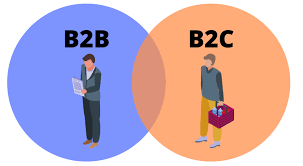
Understand What Is B2B Marketing and How It Differs From B2C
Marketing plays a crucial role in how businesses grow, connect with customers, and build long-term success. While marketing principles remain the same at a high level, the way they are applied can differ greatly depending on the target audience. Two of the most common types are Business-to-Business marketing and Business-to-Consumer marketing. Understanding the difference between these two is essential for anyone involved in sales, marketing, or business strategy.
In this blog, we will explore what B2B marketing is, how it works, and how it differs from B2C marketing in terms of audience, strategy, communication, and decision-making. The goal is to make this topic easy to understand, practical, and useful for real-world application.
What Is B2B Marketing
B2B marketing refers to the strategies and activities used by one business to promote its products or services to another business. Instead of selling directly to individual consumers, B2B companies sell to organizations, companies, institutions, or professionals.
Examples of B2B products and services include software solutions, manufacturing equipment, consulting services, logistics support, and marketing tools. In B2B marketing, the focus is on solving business problems, improving efficiency, reducing costs, or increasing revenue for the buyer.
B2B marketing is usually relationship-driven and long-term. The goal is not just to make a single sale, but to build trust, credibility, and ongoing partnerships that benefit both parties over time.
What Is B2C Marketing
B2C marketing focuses on selling products or services directly to individual consumers. These consumers make purchasing decisions based on personal needs, preferences, emotions, and lifestyle choices.
Common examples of B2C products include clothing, food items, electronics, entertainment subscriptions, and personal care products. B2C marketing is often more emotional, visually engaging, and fast-paced compared to B2B marketing.
The primary goal of B2C marketing is to attract attention, create desire, and encourage quick purchasing decisions. Campaigns are usually designed to appeal to a broad audience and drive high sales volume.
Key Differences Between B2B and B2C Marketing
Although both types aim to generate revenue, the way they approach marketing is very different. Let us break down the key differences in a clear and practical way.
Target Audience
One of the biggest differences between B2B and B2C marketing is the audience.
B2B marketing targets businesses, decision-makers, managers, and professionals. These buyers are often knowledgeable, experienced, and focused on logic, value, and return on investment.
B2C marketing targets individual consumers who may have varying levels of product knowledge. Their decisions are often influenced by emotions, trends, brand image, and personal preferences.
Because of this difference, B2B messaging is usually more detailed and informative, while B2C messaging is more emotional and visually appealing.
Decision-Making Process
In B2B marketing, purchasing decisions are rarely made by one person. They often involve multiple stakeholders such as managers, executives, finance teams, and technical experts. This makes the decision-making process longer and more complex.
B2C purchases are usually made by individuals or families. The decision process is shorter, and purchases are often impulsive or based on immediate needs.
Due to this difference, B2B marketing focuses on nurturing leads over time, while B2C marketing focuses on quick conversions.
Buying Motivation
B2B buyers are motivated by logic, efficiency, and long-term value. They want to know how a product or service will solve a problem, save time, reduce costs, or increase productivity.
B2C buyers are motivated by emotions, personal satisfaction, convenience, and brand appeal. They may choose a product because it makes them feel good, looks attractive, or aligns with their lifestyle.
Understanding this difference helps marketers create content and campaigns that truly connect with their audience.
Marketing Content and Messaging
Content plays an important role in both B2B and B2C marketing, but the type of content differs significantly.
B2B content is usually educational and in-depth. It includes whitepapers, case studies, blogs, webinars, reports, and product demos. The goal is to inform, educate, and build trust.
B2C content is often shorter and more engaging. It includes social media posts, videos, advertisements, influencer collaborations, and promotional emails. The focus is on capturing attention and creating excitement.
In B2B marketing, content answers questions. In B2C marketing, content creates desire.
Sales Cycle Length
The sales cycle in B2B marketing is typically long. It may take weeks or even months to close a deal due to negotiations, approvals, and evaluations.
In B2C marketing, the sales cycle is short. Consumers often make decisions within minutes or days.
This difference means B2B marketing strategies require patience, follow-ups, and consistent communication, while B2C strategies aim for quick engagement and immediate action.
Relationship Building
Relationship building is a core part of B2B marketing. Trust, reliability, and long-term value are essential. Businesses prefer to work with partners they trust and can depend on.
In B2C marketing, relationships still matter, but they are often based on brand loyalty and customer experience rather than personal connections.
B2B marketers invest time in relationship management, account-based marketing, and customer success programs to maintain long-term partnerships.
Pricing and Value Perception
B2B products and services often come with higher price points because they are designed to deliver specialized solutions and long-term business benefits. These offerings may include advanced software, consulting services, or customized systems that directly impact productivity and revenue. Because of this, buyers carefully analyze pricing based on return on investment, efficiency improvements, and overall business impact rather than just the upfront cost.
In contrast, B2C products usually have lower individual price points and are purchased for personal use. Consumers often compare options based on affordability, available discounts, brand reputation, and perceived value. Emotional satisfaction and convenience also play a major role in their purchasing decisions.
As a result, B2B marketing focuses strongly on value justification, detailed explanations, and proof of results. B2C marketing, on the other hand, highlights affordability, ease of purchase, and immediate benefits to encourage faster buying decisions.
Marketing Channels Used
B2B marketing commonly relies on channels that support professional communication and in-depth information sharing. These include email marketing, professional networking platforms, search engine optimization, webinars, industry reports, and business events. The goal is to educate potential clients and build trust over time.
B2C marketing uses channels that capture attention quickly and reach a wide audience. Social media platforms, paid advertisements, influencer collaborations, video content, and retail promotions are widely used to create brand awareness and drive immediate engagement. Visual appeal and creativity are especially important in this space.
Choosing the right channels is essential for success in both models. Businesses must understand where their target audience spends time and how they prefer to receive information in order to communicate effectively and achieve better results.
Role of Branding
Branding plays an important role in both B2B and B2C marketing, but the focus and execution differ significantly. In B2B marketing, branding is built around credibility, expertise, reliability, and industry knowledge. A strong and professional brand image assures businesses that they are partnering with a trustworthy and capable provider.
In B2C marketing, branding is more emotional and lifestyle-oriented. Companies aim to create memorable experiences, strong visual identities, and relatable messages that connect with consumers on a personal level. Brand storytelling often influences purchasing decisions.
Whether targeting businesses or consumers, strong branding builds recognition and loyalty. Over time, it creates confidence in the market and supports consistent growth by making the company stand out from competitors.
Personalization and Customer Experience
Personalization is becoming increasingly important in both B2B and B2C marketing as customers expect tailored interactions at every stage of the buying journey. In B2B marketing, personalization goes beyond using a company name and focuses on delivering customized solutions, industry-specific content, and direct communication that addresses a business’s unique challenges, goals, and decision-making process.
This targeted approach helps build trust, strengthens professional relationships, and supports long-term collaboration. Businesses that invest in personalized strategies often see higher engagement, better lead quality, and improved conversions, especially when working with experienced B2B SEO agency that understand how to align content and search strategies with specific industry needs.
In B2C marketing, personalization focuses on product recommendations, targeted promotions, and customized shopping experiences based on browsing history or purchase behavior. Consumers appreciate brands that understand their preferences and offer relevant suggestions.
Delivering a strong and seamless customer experience enhances satisfaction and trust in both models. Businesses that invest in personalization and user experience are more likely to retain customers and build lasting loyalty in competitive markets.
Why Understanding the Difference Matters
Understanding the difference between B2B and B2C marketing helps businesses design strategies that truly connect with their intended audience. Each model requires a different tone, content style, sales approach, and communication method. Applying the wrong strategy can result in low engagement and missed opportunities.
When companies clearly identify whether they are targeting businesses or individual consumers, they can tailor their messaging, pricing strategies, and marketing channels accordingly. This alignment improves efficiency and ensures that marketing efforts generate meaningful results.
In the long run, recognizing these differences supports smarter decision-making, stronger customer relationships, and sustainable business growth.
Final Thoughts
B2B and B2C marketing may share the same foundation, but they operate in very different ways. B2B marketing is logic-driven, relationship-focused, and long-term, while B2C marketing is emotion-driven, fast-paced, and volume-oriented.
By understanding these differences, marketers and business owners can design strategies that truly connect with their audience. Whether you are selling to businesses or consumers, success comes from delivering value, building trust, and creating meaningful experiences.
A clear understanding of your audience is the first step toward marketing that not only attracts attention but also drives sustainable growth.
FAQs
1. What does B2B marketing mean?
B2B marketing means promoting products or services from one business to another business. The focus is on solving business problems and creating long-term value.
2. What is the main goal of B2B marketing?
The main goal is to build trust, generate qualified leads, and develop long-term relationships that lead to repeat business and partnerships.
3. How is B2C marketing different from B2B marketing?
B2C marketing targets individual consumers and focuses on emotions and quick decisions, while B2B marketing targets businesses and focuses on logic, value, and long-term benefits.
4. Why does B2B marketing take more time?
B2B marketing takes longer because buying decisions usually involve multiple people, detailed evaluations, and approval processes.
5. What type of content works best for B2B marketing?
Educational content such as blogs, case studies, whitepapers, webinars, and product demonstrations works best for B2B marketing.
6. Is branding important in B2B marketing?
Yes, branding is very important because businesses prefer to work with companies they trust and see as reliable and experienced.
7. Which marketing channels are most effective for B2B?
Common B2B marketing channels include email marketing, search engine optimization, professional networking platforms, webinars, and industry events.
8. How does personalization work in B2B marketing?
Personalization in B2B marketing involves tailoring content, messages, and solutions based on the specific needs of a business or industry.
9. Can small businesses use B2B marketing effectively?
Yes, small businesses can succeed in B2B marketing by focusing on niche audiences, building strong relationships, and offering clear value.
10. Why is it important to understand the difference between B2B and B2C marketing?
Understanding the difference helps businesses choose the right strategy, communicate effectively, and achieve better marketing and sales results.

 English