
Data Accuracy and Reliability in Automated Weather Monitoring
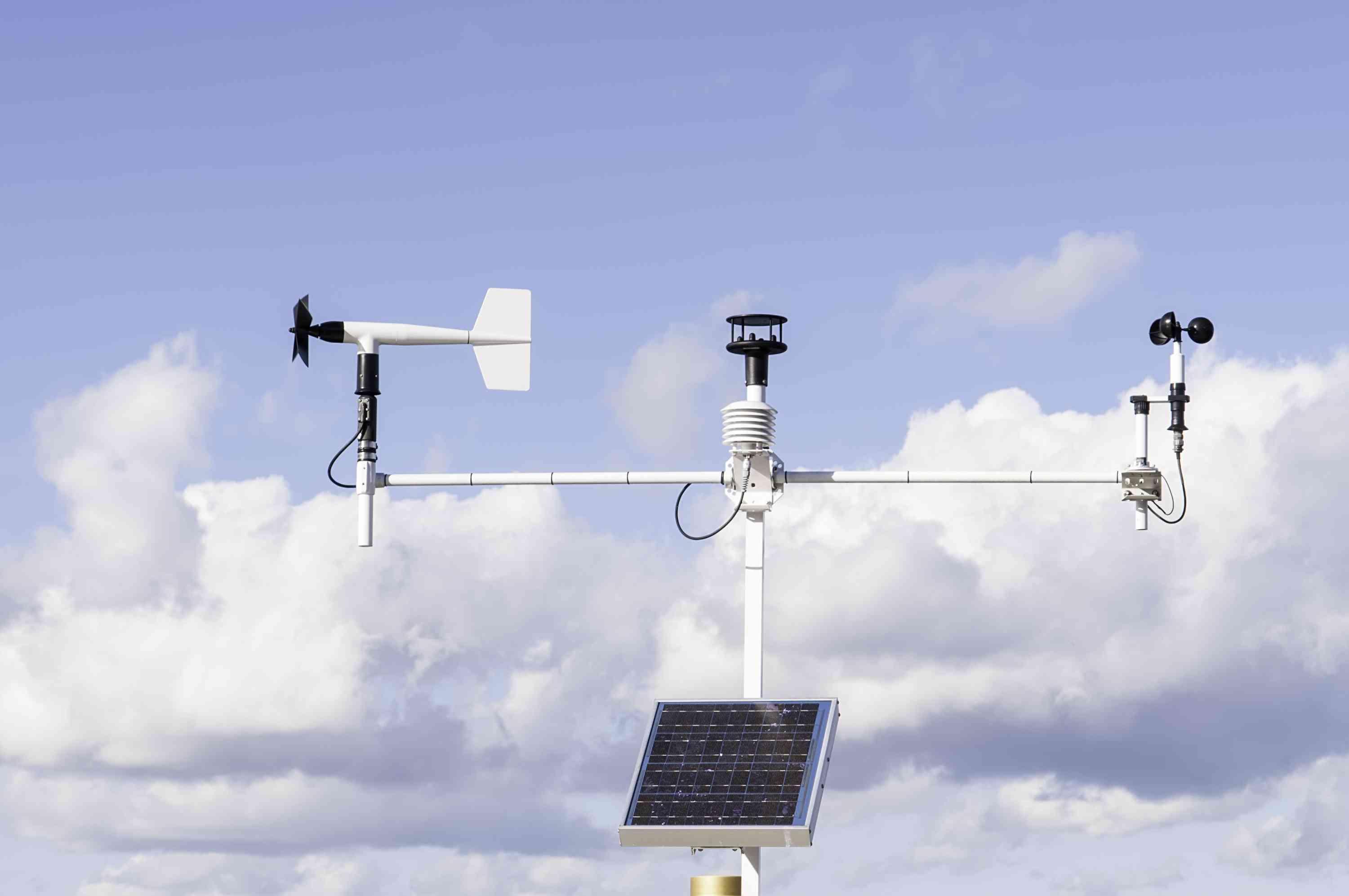
In the world of aviation, precision is not a luxury; it is a necessity. A pilot landing a 300-ton aircraft needs more than a rough guess about the wind speed or a general idea of the visibility. They need exact numbers, updated in real-time, to make decisions that ensure the safety of hundreds of passengers. This demand for precision places an immense responsibility on the technology used to monitor the skies.
The Challenge of Extreme Environments
maintaining data accuracy is challenging enough in a temperate climate, but doing so in extreme environments requires a higher level of engineering resilience. High temperatures, humidity, and airborne dust can all wreak havoc on sensitive electronics.
Combating Thermal Stress
In regions with intense heat, Automated Weather Observing Systems must be housed in specialized enclosures that protect processors and data loggers from thermal overload. Without proper shielding and ventilation, the internal heat can cause electronic components to fail or produce erratic signals. Ensuring that the temperature inside the equipment cabinet remains stable is just as important as measuring the temperature outside.
Mitigating Dust and Debris
Dust is a major enemy of optical sensors used for measuring visibility and cloud height. In desert environments, fine sand can coat lenses, causing the system to report lower visibility than actually exists. To prevent this false data, advanced installations often feature "air knives" or blower systems that create a continuous curtain of high-velocity air across the lens face, preventing dust from settling. This simple yet effective engineering solution ensures that the data remains accurate even during a shamal or sandstorm.
Data accuracy and reliability are the twin pillars of modern meteorological safety. As airports grow busier and weather patterns become more unpredictable, the systems gathering this data must perform flawlessly. A single incorrect reading can lead to unnecessary delays, costly diversions, or, in the worst-case scenario, a safety incident. This article explores why data integrity is so critical, how it is achieved, and the role of advanced infrastructure in maintaining high standards of safety.
The Critical Role of Accurate Data in Aviation
Every phase of a flight, from pre-flight planning to the final taxi to the gate, is influenced by weather data. However, the margins for error are razor-thin during takeoff and landing. These critical moments require a continuous stream of trustworthy information.
Altimeter Settings and Vertical Separation
One of the most vital pieces of data provided by weather systems is the barometric pressure reading. Pilots use this to calibrate their altimeters. If the pressure data is inaccurate, the altimeter will display the wrong altitude. In low-visibility conditions, where a pilot cannot see the ground, relying on an incorrect altitude reading can be catastrophic. Accuracy here is literally a matter of life and death, ensuring aircraft maintain safe vertical separation from terrain and other planes.
Wind Shear and Runway Selection
Wind speed and direction determine which runways are active and safe for use. An accurate understanding of crosswinds is essential for keeping aircraft within their performance limits. Furthermore, reliable detection of wind shear—sudden, drastic changes in wind speed or direction—allows air traffic controllers to warn pilots of hazardous conditions on approach, potentially saving an aircraft from a dangerous loss of lift close to the ground.
Achieving Reliability Through Technology and Maintenance
High-fidelity data doesn't happen by accident. It is the result of rigorous engineering, sophisticated sensor technology, and relentless maintenance protocols.
Redundancy and Cross-Checking
Modern weather monitoring stations often employ redundancy to ensure reliability. Instead of a single sensor for wind or pressure, critical systems may use two or three. The central processing unit constantly compares the readings from these multiple sensors. If one sensor drifts or provides erratic data that doesn't match its peers, the system automatically flags it as faulty and excludes its data from the broadcast report. This internal cross-checking ensures that only verified, consistent data reaches the cockpit.
Calibration and Sensor Health
Sensors are physical instruments exposed to the elements 24/7. Over time, they can degrade. A transmissometer lens can get dirty, affecting visibility readings; a mechanical anemometer can suffer bearing wear. To combat this, strict calibration schedules are enforced. Technicians compare field sensors against laboratory-grade reference standards to ensure they remain within tight tolerance levels. This preventative maintenance is crucial for preventing "data drift," where readings slowly become less accurate over time without failing completely.
Integration into Advanced Airport Infrastructure
Data is only useful if it reaches the right people at the right time. In the context of a modern "smart airport," weather data is not siloed; it is integrated into a vast digital ecosystem that drives operational efficiency.
The approach to airport engineering Qatar has adopted at its major hubs serves as a prime example of this integration. Here, weather monitoring is not treated as a standalone function but as a core component of the airport's central nervous system. Data flows seamlessly from the airfield sensors to the air traffic control tower, the flight information display systems, and even the building management systems.
This holistic approach ensures that when a visibility sensor detects fog, the response is coordinated across the entire airport. Airfield lighting intensities can be adjusted automatically, low-visibility procedures can be triggered for ground crews, and approach patterns can be spaced out to maintain safety margins.
Decision Support for Human Operators
Ultimately, the goal of accurate weather data is to support human decision-making. In a high-pressure environment like an air traffic control tower, controllers do not have time to second-guess the information on their screens. They need absolute confidence that the wind speed shown is the wind speed experiencing by the aircraft on final approach.
Reliable data reduces cognitive load. When controllers trust their systems, they can focus on managing traffic flow and maintaining safety separation. Similarly, pilots who trust the automated reports can make better decisions about fuel load, holding patterns, and approach minimums. This trust is built on a track record of accuracy, reinforced by the robust engineering and maintenance practices described above.
Conclusion
Data accuracy and reliability in weather monitoring are foundational to aviation safety. They are the invisible threads that hold the complex tapestry of airport operations together. From the redundant design of sensors to the integration of data into smart infrastructure, every aspect of these systems is designed to provide certainty in an uncertain environment.
As technology continues to evolve, we will see even greater precision and predictive capabilities. However, the core principle will remain unchanged: in aviation, there is no substitute for the truth, especially when it concerns the weather. By investing in advanced systems and rigorous maintenance, the aviation industry ensures that every journey is guided by data that is as reliable as it is precise.
Key Takeaways
- Precision Saves Lives: Accurate altimeter and wind data are critical for safe takeoffs, landings, and terrain avoidance.
- Redundancy is Key: Multiple sensors and internal cross-checking prevent faulty data from entering the system.
- Infrastructure Integration: Leading airports integrate weather data into broader operational systems for coordinated responses to changing conditions.
- Engineering for Resilience: Specialized protection against heat and dust is essential for maintaining accuracy in harsh climates.

 English