
Pot Limit Omaha and Poker Training: Mastering One of Poker’s Most Dynamic Games
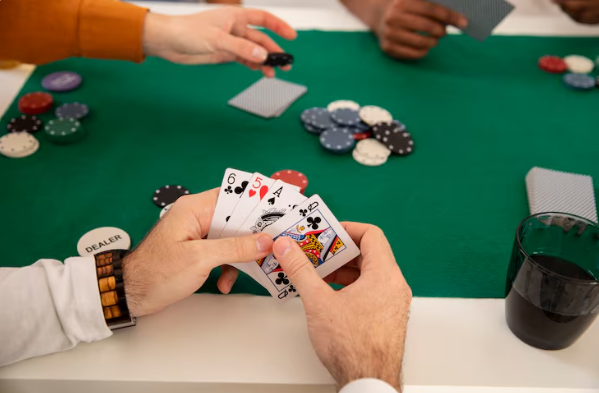
Poker has evolved far beyond the traditional Texas Hold’em tables that once dominated casinos and online platforms. Among the most popular and strategically complex variants today is pot limit omaha, a game that attracts players seeking deeper action, bigger pots, and more challenging decision-making. However, success in this fast-paced format does not come easily. Proper poker training is essential for players who want to consistently win and avoid costly mistakes.
This article explores the fundamentals of pot limit omaha, why it differs so dramatically from other poker games, and how structured poker training can dramatically improve a player’s performance.
Understanding Pot Limit Omaha
Pot limit omaha (often abbreviated as PLO) is similar to Texas Hold’em in terms of betting rounds and community cards, but the similarities largely end there. In PLO, each player is dealt four hole cards instead of two, and must use exactly two of those hole cards along with three community cards to form a five-card hand.
The “pot limit” betting structure means that the maximum bet or raise is limited to the current size of the pot. This restriction keeps betting under control compared to no-limit formats, but it still allows pots to grow extremely large—often much larger than in Hold’em.
Because players have more cards and more possible combinations, strong hands occur more frequently. This fundamental difference makes pot limit omaha a game of equity, hand potential, and disciplined decision-making rather than simply chasing top pairs.
Why Pot Limit Omaha Is More Complex
Many players transitioning from Hold’em underestimate how different pot limit omaha really is. The increased number of starting hands dramatically expands the range of possible outcomes on every flop, turn, and river.
Some key complexities include:
- Stronger average hands: Top pair is rarely enough to win.
- More draws: Wrap straight draws, flush draws, and combo draws are common.
- Equity shifts quickly: A hand that is strong on the flop can become weak on later streets.
- Positional importance: Acting last provides critical information in large multiway pots.
Without proper poker training, players often overvalue hands that look strong but are actually vulnerable, leading to large losses.
The Importance of Poker Training in PLO
Because pot limit omaha is more nuanced than many other poker formats, casual play alone is rarely enough to master it. Dedicated poker training helps players understand not just what hands to play, but why they should play them.
Effective poker training focuses on:
- Hand selection and starting hand discipline
- Understanding equity versus raw hand strength
- Reading board textures
- Managing pot size
- Avoiding common PLO traps
Players who rely on intuition rather than structured learning often find themselves confused in large pots and uncertain about correct decisions.
Starting Hand Selection in Pot Limit Omaha
One of the first lessons in pot limit omaha poker training is learning which hands are truly playable. Unlike Hold’em, where premium pairs dominate, PLO favors connected, coordinated hands that can make the nuts.
Strong starting hands typically include:
- Double-suited hands
- Connected cards (such as 9-10-J-Q)
- Hands with high card strength and straight potential
- Balanced combinations that avoid gaps
Weak hands often include unconnected cards, paired hands without support, or hands that rely on making non-nut holdings. Poker training teaches players to avoid these traps early, saving money before the flop even begins.
Post-Flop Strategy and Board Awareness
Post-flop play is where pot limit omaha truly separates skilled players from beginners. With so many possible draws, understanding board texture is critical.
For example:
- On coordinated boards, strong draws may have more equity than made hands.
- On paired boards, full house potential changes betting dynamics.
- On monotone boards, flush possibilities must be carefully evaluated.
Good poker training emphasizes evaluating range vs. range, rather than focusing on a single hand. This mindset allows players to make better decisions when facing large bets or deciding whether to apply pressure.
Managing Pot Size and Betting Discipline
One of the most overlooked skills in pot limit omaha is pot control. Just because betting is limited to the pot does not mean players should always bet the maximum amount.
Poker training helps players learn:
- When to build the pot with strong nut hands
- When to keep pots smaller with marginal holdings
- How to avoid committing too much money with vulnerable hands
- How to recognize situations where folding saves significant losses
Many beginners lose large amounts because they feel “pot-committed” without fully understanding their true equity.
Common Mistakes Poker Training Helps Eliminate
Even experienced players make repeated errors when transitioning to pot limit omaha. Some of the most common mistakes include:
- Overvaluing two-pair or low straights
- Chasing non-nut flushes
- Playing too many starting hands
- Ignoring position
- Failing to consider opponent ranges
Structured poker training identifies these leaks early and provides clear adjustments, helping players progress faster and avoid frustration.
Mental Discipline and Long-Term Success
Pot limit omaha can be a volatile game. Even well-played hands can lose due to the sheer number of possible combinations. This variance can test a player’s mental strength.
Poker training doesn’t just focus on strategy—it also builds mental discipline by teaching players to:
- Accept short-term losses
- Stick to solid bankroll management
- Avoid tilt after bad beats
- Focus on long-term expected value
Players who develop emotional control often outperform technically skilled players who lack discipline.
Conclusion
Pot limit omaha is one of the most exciting and strategically rich poker variants available today. Its complexity, action-heavy nature, and large pots attract players from all backgrounds—but without proper preparation, it can also be unforgiving.
Investing time in quality poker training allows players to understand the deeper mechanics of the game, make smarter decisions, and consistently improve their results. From starting hand selection to post-flop strategy and mental resilience, poker training transforms pot limit omaha from a chaotic gamble into a structured, skill-based challenge.
For players willing to learn, adapt, and stay disciplined, pot limit omaha offers not only thrilling gameplay but also long-term growth as a serious poker competitor.

 Turkish